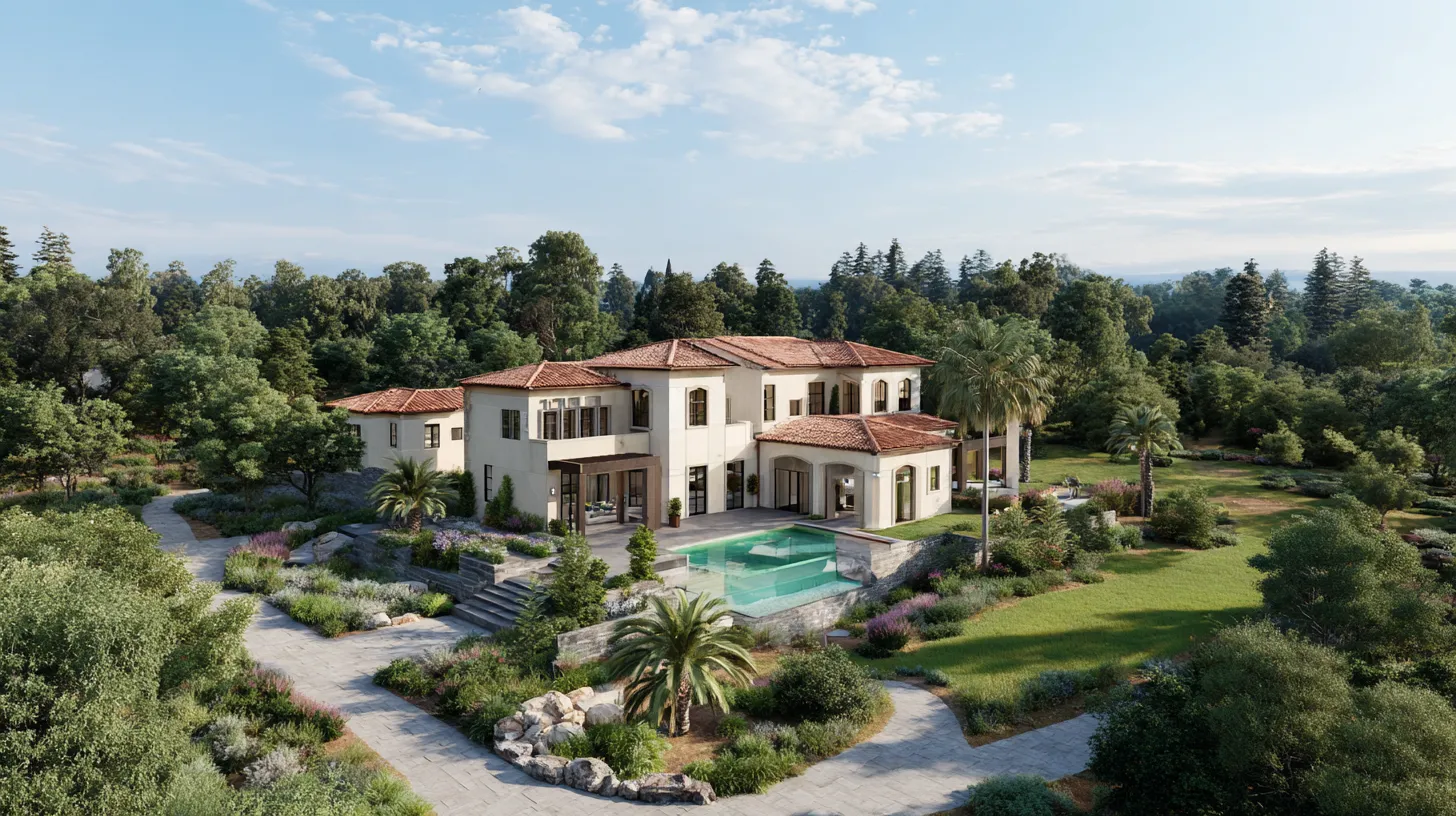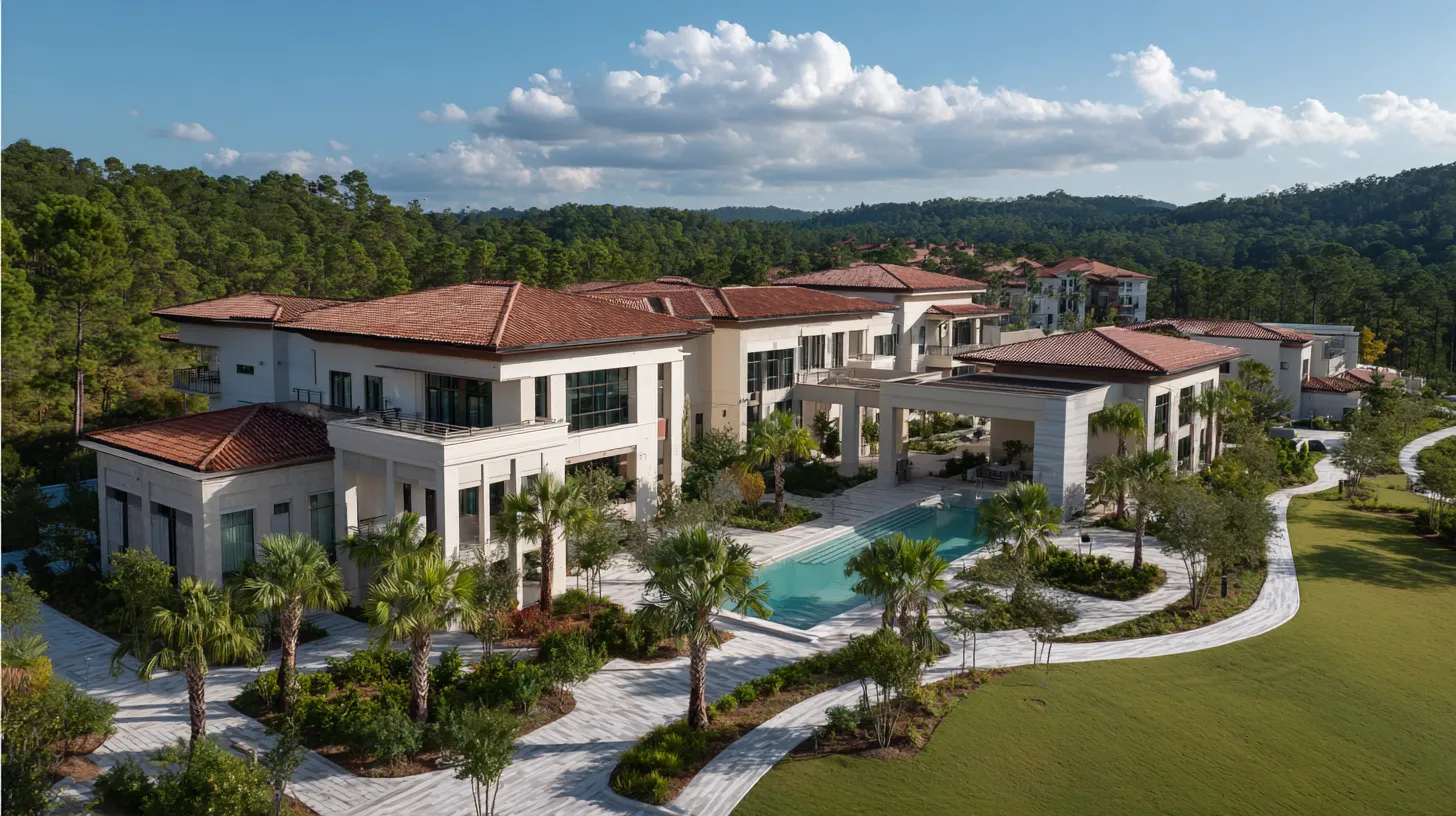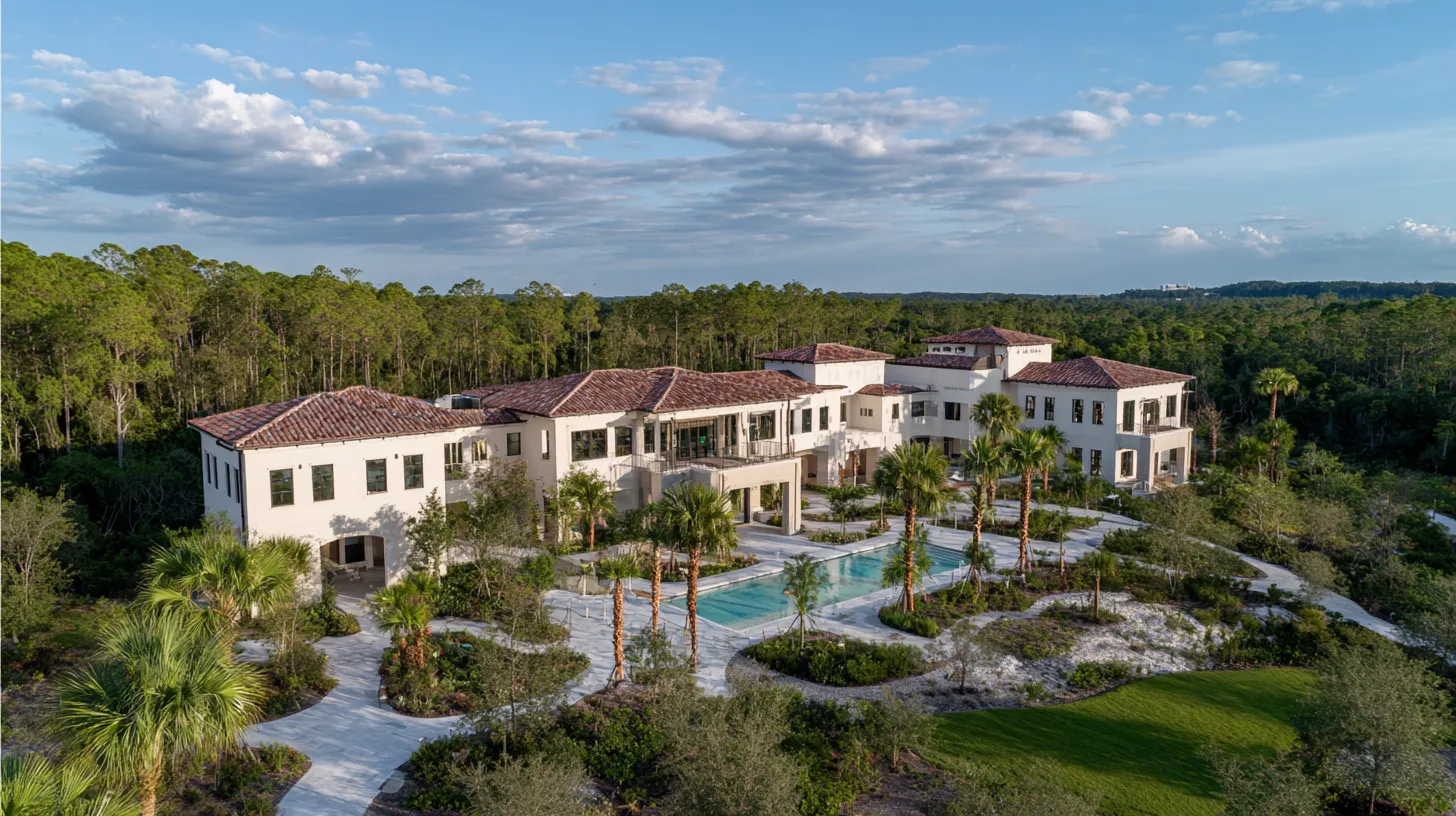
What We Offer
Medical Detox
Typically 3 to 7 days under 24-hour medical supervision. Our withdrawal management protocols use medication-assisted treatment when clinically indicated — buprenorphine and naltrexone for opioid dependence, structured benzodiazepine tapers for alcohol or sedative use, continuous vitals monitoring. Residents move into clinical work physically stable rather than white-knuckling through the first week.
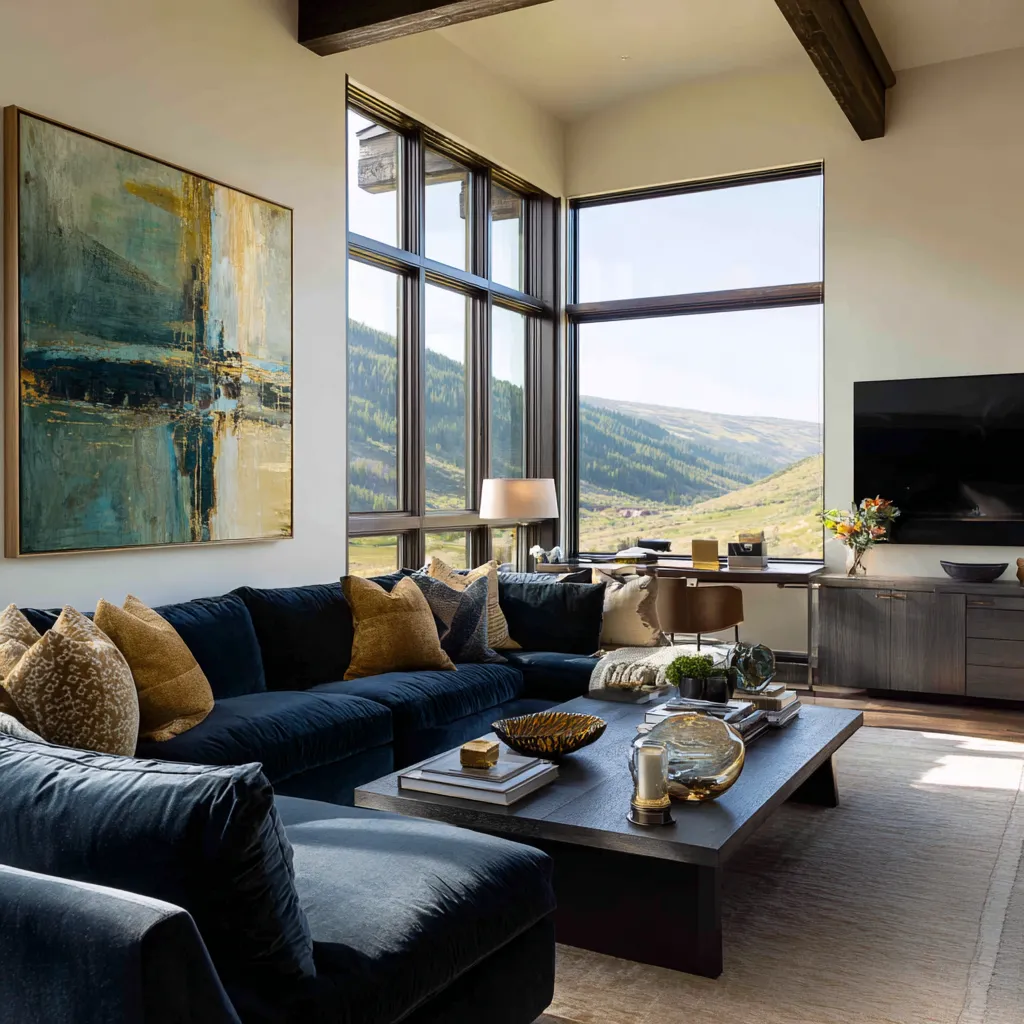
Residential Treatment
30 to 90 days at our 37-bed campus on Plumas Street. Days are anchored around creative-arts modalities — art therapy in the studio, music sessions in the recording room, ceramics workshop, creative writing — alongside individual therapy, group work, and family-systems sessions. Length is matched to clinical need, not insurance benefit caps. Median 2024 cohort stay was 67 days.
A Day in Residential
Days follow a creative-arts-focused rhythm. The schedule below is the standard weekday template; weekends and family-program days run differently.
- 7:00 AM — Wake, breakfast, medication round.
- 8:00 AM — Morning grounding in the greenhouse or family picnic area.
- 9:00 AM — Individual therapy with your assigned clinician.
- 10:30 AM — Process group: motivational interviewing, CBT, or DBT skills depending on cohort.
- 12:00 PM — Lunch (gourmet meals, dietary needs supported).
- 1:30 PM — Creative-arts block: art studio, music room, or ceramics workshop.
- 3:00 PM — Creative writing or journaling workshop.
- 4:30 PM — Equine therapy or sauna and quiet hour.
- 6:00 PM — Dinner with peers and visiting alumni mentors.
- 7:30 PM — Spiritual exploration circle or 12-step alternative group (optional).
- 9:00 PM — Reflection, journaling, lights down by 10:30.
Outpatient Programs (PHP & IOP)
Partial hospitalization (PHP, 2 to 4 weeks at 5 hours daily) and intensive outpatient (IOP, 8 to 12 weeks at 9 to 12 hours weekly) keep residents at home with family and at work during recovery. Our evening cohort runs Monday through Thursday from 6 to 9 PM and accommodates working adults across the Sacramento Valley. Telehealth IOP is available for residents bridging from Chico, Oroville, or other communities outside an easy commute to Plumas Street.
Dual Diagnosis
For residents whose substance use sits alongside PTSD, depression, anxiety, bipolar conditions, or grief reactions. A single integrated psychiatric and clinical team treats both conditions in parallel — medication management with Dr. Hara, trauma-focused CBT with Maeve, and motivational interviewing layered into the residential or outpatient pathway. About 41% of our 2024 admissions met criteria for a co-occurring psychiatric condition.
Substances We Treat
- Alcohol
- Opioids (prescription & illicit)
- Prescription Drugs
- Kratom
- Marijuana
- MDMA / Ecstasy
- Hallucinogens
- Inhalants
Treatment Modalities
- Cognitive Behavioral Therapy (CBT)
- Dialectical Behavior Therapy (DBT)
- Mindfulness-Based Relapse Prevention (MBRP)
- Motivational Interviewing & Enhancement
- Art Therapy & Music Therapy (creative-arts focus)
- Individual & Group Counseling
- Family-Systems Therapy
Amenities
- Creative Arts Studio
- Ceramics Workshop
- Equine Therapy Barn
- Greenhouse & Garden
- Sauna
- Family Picnic Grounds
- Game Room & Quiet Library
- Gourmet Meals (dietary needs supported)